
Getting video right
Video tips I’ve learnt the hard way - a guest blog from Tim Aslan of Aslan Agency

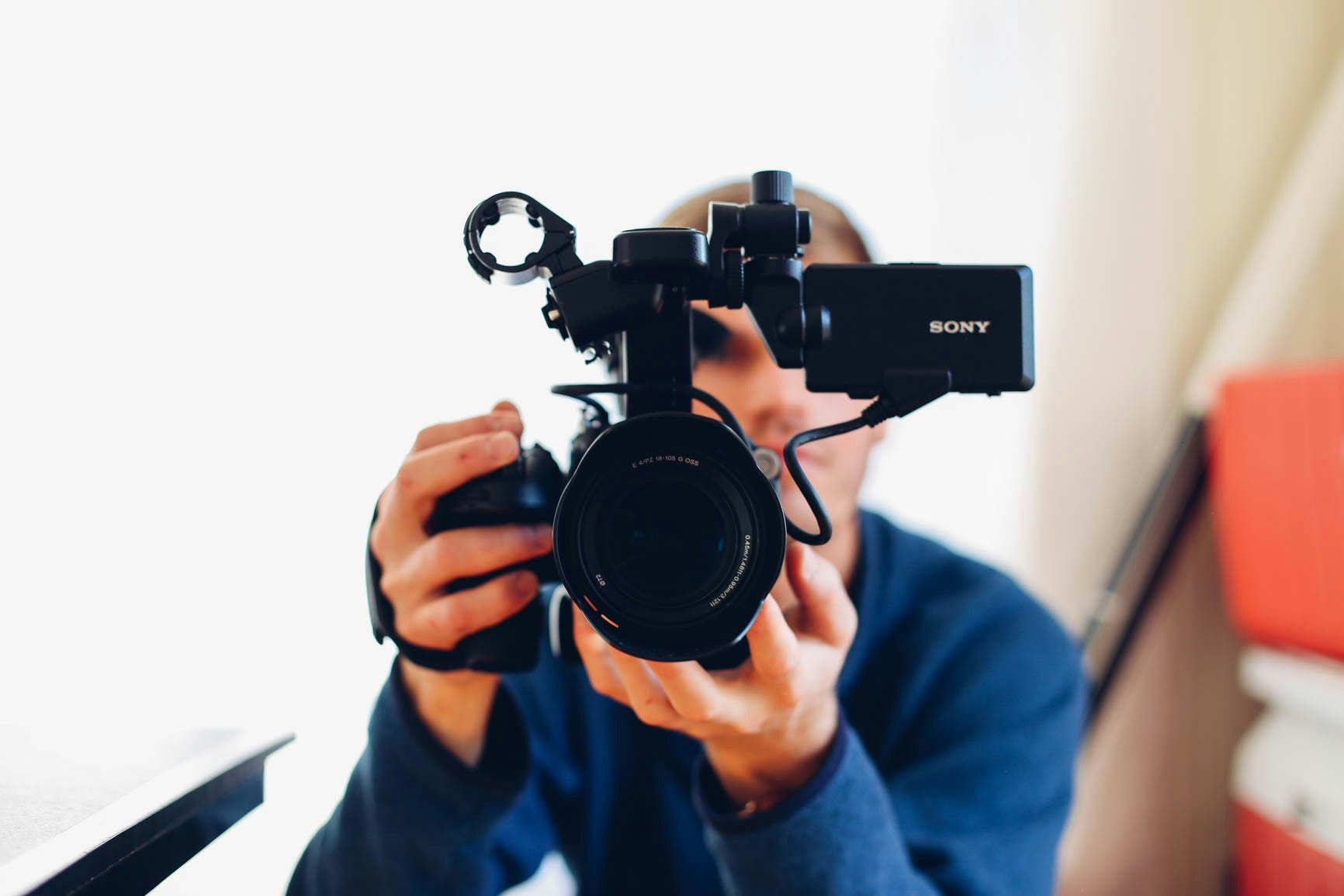
Videos should be a very important part of any businesses communications and marketing strategy, and this is what guest blogger Tim Aslan is going to talk about this week. Tim is the founder of Aslan Agency, a marketing agency helping businesses grow through strategic digital marketing. When he’s not working on campaigns, he’s usually out walking Gary, his wiener dog, or watching his girlfriend Sabrina paint - she’s an incredible artist. You can check out Sabrina’s work at srzartwork.com.
Over to Tim…
There’s a gap between “we should do video” and actually producing something people don’t immediately scroll past. I’ve been on both sides of that gap running Aslan Agency, and honestly, the lessons that stuck came from getting things wrong first.
So here’s what I’d tell someone sitting down to make their first business video - or their fifteenth, if the first fourteen didn’t land.
Plan Before You Record Your Video
I used to think planning meant overthinking. Just hit record, be natural, figure it out in editing. That approach gave me a lot of footage of myself saying “um” while staring slightly off-camera. The videos that actually performed for our clients almost always had a simple plan behind them.
So plan. It doesn’t need to be a Hollywood screenplay, but before you touch a camera,
Be clear about who you’re talking to - not “everyone,” but one person with a specific problem.
Write an outline. Bullet points are fine for talking-head videos. But winging it leads to rambling, and rambling leads to people leaving.
Think about where the video will live, because a 60-second Instagram Reel (those short vertical videos you see on Instagram) is a completely different animal from a 10-minute YouTube walkthrough.
Figure out your hook before anything else. Those first five seconds decide everything. “Here’s how we doubled our email signups with one video” beats “Hi, welcome to our channel, today we’re going to talk about…” every single time.
I had a client who insisted on a 15-second branded intro with their logo animation. Their average watch time was about 12 seconds. We cut the intro and led with the main tip instead, and the time people watched the video for nearly doubled overnight.
Know what you want your audience to do after watching your video.
You Don’t Need Expensive Video Equipment
I’m going to save you some money. Your phone shoots better video than broadcast cameras from 15 years ago. The equipment obsession is a procrastination trap - I’ve seen people spend months researching cameras when they could have been publishing videos during that time.
It’s very hard to improve bad audio
Audio and lighting matter more than the type of camera you have. Natural light from a window works great and costs nothing. Face the window. Don’t sit with it behind you unless you’re going for the witness protection look. If you’re shooting video regularly, a basic ring light or two softbox lights run under $50 and make a real difference.
Audio matters even more than video quality, weirdly enough. People will tolerate a slightly grainy image if they can hear you clearly. They won’t tolerate beautiful high-resolution footage if the sound is bad. A clip-on lavalier mic around the $20 mark changes everything.
Simple backgrounds work best
Keep your background simple. A tidy bookshelf, a plain wall, a corner of your office. I once reviewed a client’s video and there was a pile of laundry clearly visible behind them. We re-shot that one.
And stabilize your shots
Handheld footage immediately looks amateur. A phone tripod for around $15 fixes this. Prop your phone against something stable if you need to. Just don’t hand-hold it.
Cut More Video Than You Think You Should
This is where most people struggle. You watch your raw footage and everything feels important because you said it and it took effort. But your audience doesn’t care about your effort. They care about their time.
Your first video edit should be shorter than you expect. That two-minute warmup where you were finding your words? Cut it. The part where you repeated yourself? Pick the better take. The pauses and filler words? Gone. I usually tell clients to aim to cut at least 30% of their first rough edit, and that number still surprises them every time.
For video editing software, CapCut is free and surprisingly capable. If you want more control, DaVinci Resolve is also free and used by professional editors. And honestly, for quick video edits, your phone’s built-in editor might be all you need to start with.
Add subtitles
Videos on social media frequently get watched on mute, so if your video depends on someone hearing you, you’re losing a huge chunk of your audience. Video editors such as CapCut auto-generate captions that you can style and correct.
Distribute Your Video Widely
This is where most businesses fall apart with video. They spend hours making a video, post it once on one platform, and wonder why nothing happened. That’s like cooking a meal and only letting one person taste it.
One video can become a lot of content if you think about it. A 10-minute YouTube video can be clipped into short vertical pieces for Instagram Reels or TikTok. You can pull a quote for a LinkedIn graphic, or summarize the key points in a blog post. Feature it in your email newsletter. I’ve had clients get two weeks of content out of a single afternoon of recording video.
One client in particular stands out. They ran a small accounting firm and were posting maybe once a month on Instagram with no real engagement. We spent one Saturday afternoon filming five short videos - each one answering a common tax question their clients always asked. They chopped those into 15 pieces of content across three platforms. Within two months they’d doubled their inbound inquiries and stopped spending money on Google ads entirely. The videos weren’t flashy. They were just a person who knew their stuff, talking directly to camera with decent audio and a clean background. That was enough.
Consistency beats virality. For most businesses, one video a week is a good target. If that feels like too much, start with two a month and work up from there. The important thing is picking a schedule your team can stick to. I’d rather see a business post one solid video every Wednesday than five in a week followed by two months of silence. I’ve watched too many clients go hard for three weeks and then disappear.
Stop Reading, Start Recording
I know how this goes. You bookmark the article, maybe share it, tell yourself you’ll start next week. Then next week becomes next month. I’ve done it too.
The businesses I’ve seen actually get results from video aren’t the ones with the best equipment or the biggest budgets. They’re the ones who posted every Tuesday for six months and checked their analytics afterward. Start with your phone, a window for light, a cheap mic, and something worth saying. That’s enough.
Thank you Tim! Do you also have a marketing or business case to share? To feature on All About Digital Marketing, please check out the guidelines blog and get in touch. And don’t forget to subscribe.


